Imagine your phone buzzes. It is an urgent text message claiming you have just committed a traffic offense. To avoid severe penalties, the message instructs you to click a link and pay a administrative fee.
You click the link, and you land on what looks exactly like the official Federal Road Safety Corps website. You enter your debit card details and type in the One Time Password (OTP) your bank sends you. You breathe a sigh of relief, thinking the problem is solved. Seconds later, your phone buzzes with a new alert; your entire life savings have just been wiped from your account and this was he reality of thousands of Nigerians in the past week
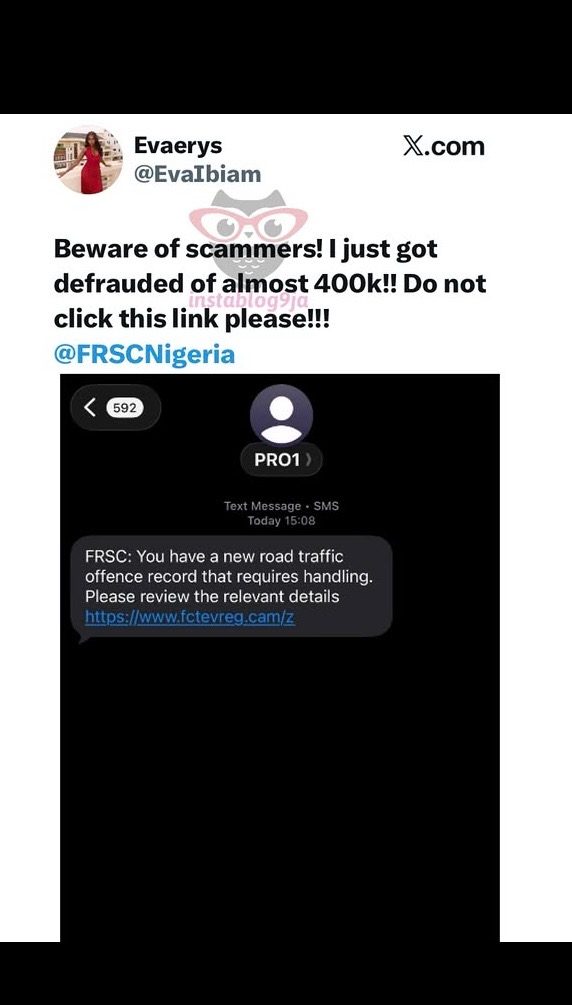
How did a simple payment turn into financial disaster? Welcome to the new wave of sophisticated SMS(Simple Message Service) scams. Let us really break down exactly how this happens so you can see the hidden mechanics at play.
Cybercriminals do not just rely on clever coding; they rely heavily on psychological manipulation (otherwise called Social Engineering). To make this scam work, they use two intense psychological sparks: urgency and relief.
The traffic penalty threat deliberately induces in you a state of panic. Then, just when you are most stressed, they offer a cheap, quick way out; a negligible fee. This completely disarms your suspicion because at that moment, you are no longer thinking about your digital safety, you are just eager to make the stressful problem go away for a few Naira.
The technical engine driving this theft is known in the cybersecurity world as an Adversary-in-the-Middle attack. Let us look closely at what that actually means.
When you click the link in the text message, you are taken to a counterfeit website, something like frscgov.top/ng, that is meticulously designed to mimic the real government portal. But behind the scenes, the scammers have automated systems waiting for your every keystroke. Here is the exact step by step of how the heist actually happens:
Now, think about it from the perspective of the bank; the transaction looks perfectly legitimate to them because the correct card details and the correct One Time Password were provided, so the withdrawal is approved. The scammers simply used your own security measures coupled with a bit of social engineering against you.
You do not need to be a tech expert to defeat this scam. Because cybercriminals are so exceptionally good at building digital illusions, the best defense is simply changing your daily digital habits.
It is important to know that cybercriminals are becoming incredibly sophisticated at building digital traps, but their entire digital theft relies on you handing over your confidential information.
So, next time you see a random SMS, email, WhatsApp message, or any other messages with clickable links attached, pause, do your research and make sure they are actually from legitimate sources before you click. Remember, pause, read the message, check the link, browse the organization’s website and confirm if such as required in the clickable link-embedded message or email actually exists.