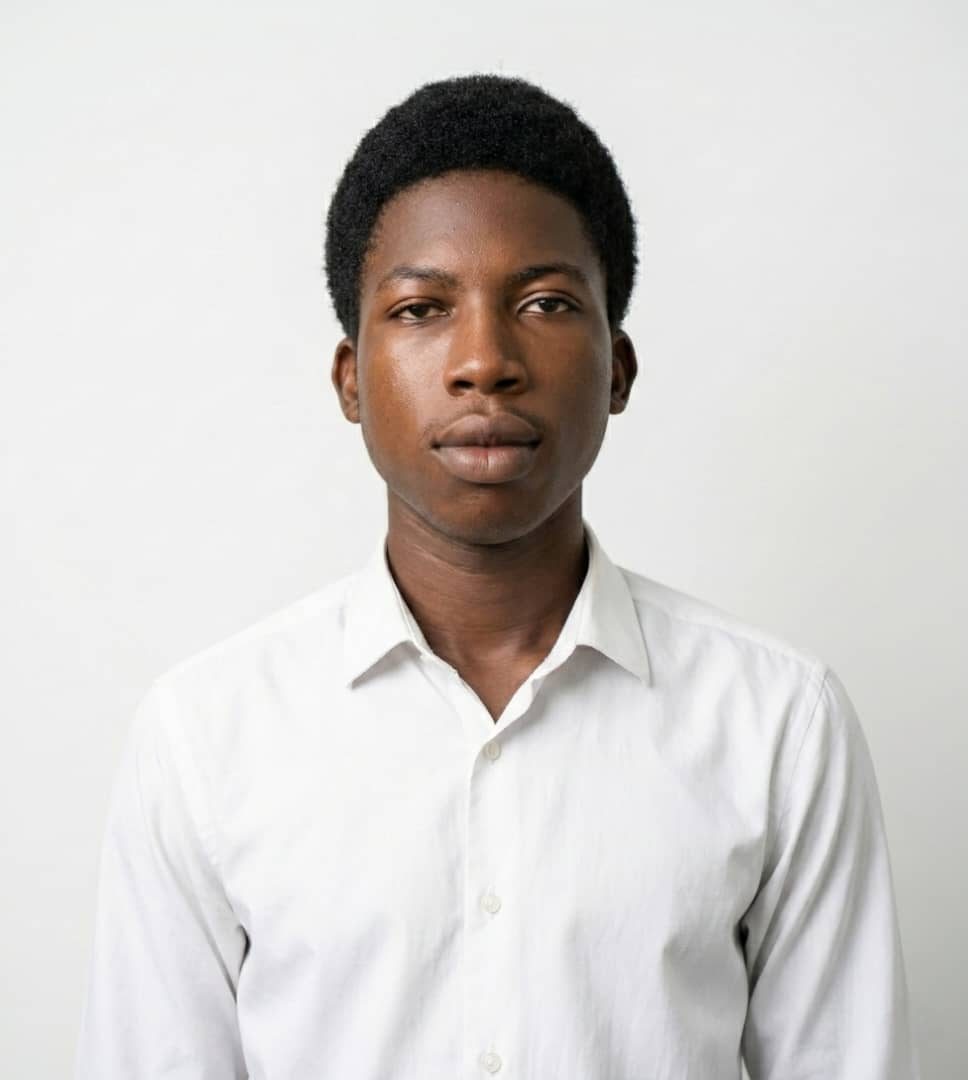
Temiloluwa Koya used to believe people in tech were naturally gifted, now he knows persistence, consistency, and continuous learning are far more important than talent alone and he talked us through his journey so far and how it has shaped him for the future
What made you choose this program in the first place?
I chose the Data Science program because I wanted to learn how to turn raw data into meaningful insights and make data-driven decisions. As someone with a technical background, I was interested in understanding how data can be collected, analyzed, and used to solve real-world problems across different industries.
If you could describe your first day vs today in 3 words each, what would they be? First day: Curious, Nervous, Uncertain. Today: Confident, Skilled, Growth-oriented.
What was the toughest skill or concept you had to conquer? What flipped it for you?
Understanding data analysis workflows and applying statistics to real-world datasets was challenging at first. The turning point came when I started working on practical projects and realized that concepts became much easier to understand when applied to real problems rather than studied in isolation.
Tell me about a project you’re most proud of. What problem did it solve? One project
I’m particularly proud of was building a student performance analysis dashboard using Python, Pandas, and data visualization tools. The project analyzed factors such as study hours, attendance, and assessment scores to identify patterns that influenced academic performance. It demonstrated how data can be used to uncover actionable insights and support better decision-making in education.
Was there a moment you almost quit? What kept you going? There were moments when balancing coursework, projects, and other responsibilities felt overwhelming. What kept me going was remembering why I started, focusing on small wins, and seeing the progress I was making over time.
Who here — instructor, classmate, mentor — changed your trajectory? How? Instructor Pablo had a significant impact on my journey. His guidance, feedback, and willingness to help whenever I got stuck encouraged me to keep learning and pushing beyond my comfort zone.
What’s one thing you believed about tech/yourself on day 1 that you don’t believe anymore? I used to believe that successful people in tech were naturally gifted and understood everything quickly. Now I know that persistence, consistency, and continuous learning are far more important than talent alone.
What skill surprised you? Like “I didn’t know I’d be good at this.” Data visualization surprised me. I discovered that I enjoy presenting data in a way that makes complex information easy to understand and useful for decision-making.
How did you handle imposter syndrome or comparison with classmates? I learned to focus on my own progress instead of comparing myself to others. Everyone has a different learning journey, and I found that measuring my growth against where I started was much healthier and more motivating.
What are you taking from this school that isn’t on the syllabus? Beyond the technical skills, I am taking away resilience, discipline, problem-solving abilities, and the confidence to tackle unfamiliar challenges.
Where do you want to be 1 year from now? What’s the first step you’ll take next week?
One year from now, I see myself expanding into Software Engineering while continuing to build on my Data Science foundation. With AI becoming increasingly important across the tech industry, I believe strong software engineering skills will give me a competitive edge and help me better understand, build, and work alongside AI-powered systems. The first step I’ll take next week is continuing to strengthen my programming skills and working on projects that combine software development and data-driven solutions.
What advice would you give someone just starting this program today? Stay consistent, ask questions whenever you’re confused, and don’t be afraid to make mistakes. Learning becomes much easier when you focus on progress rather than perfection.
If you could thank one tool, language, or framework in an Oscar speech, which one?
Why? Python. It made data analysis approachable, helped me solve real-world problems, and became the foundation for many of the skills I developed throughout this journey.